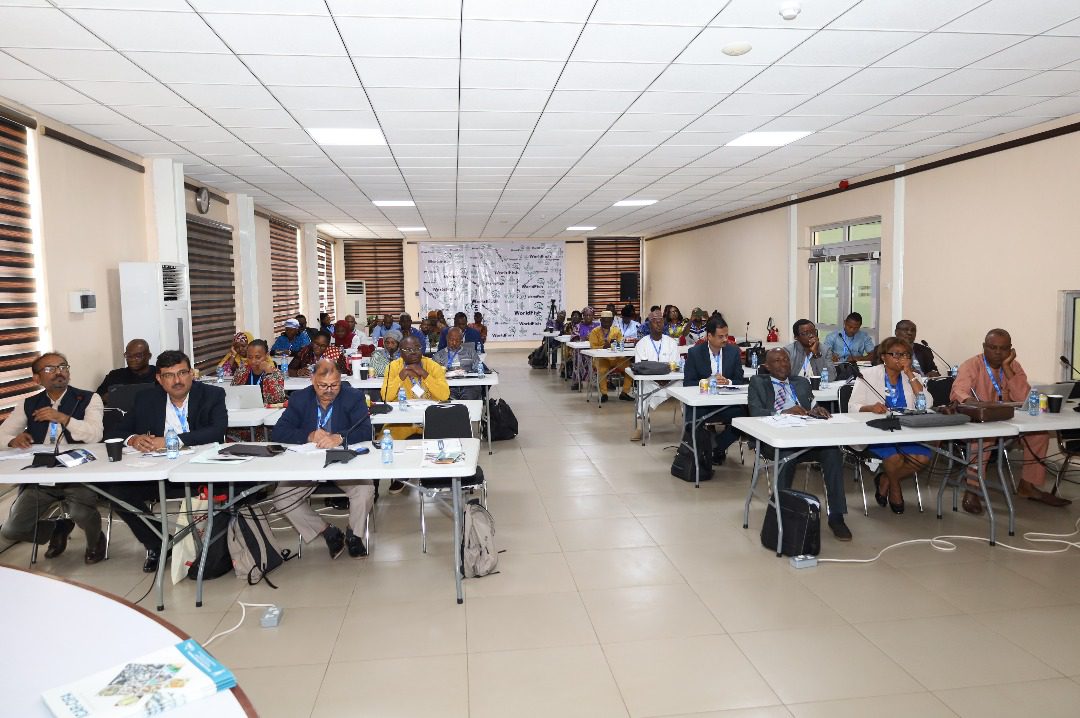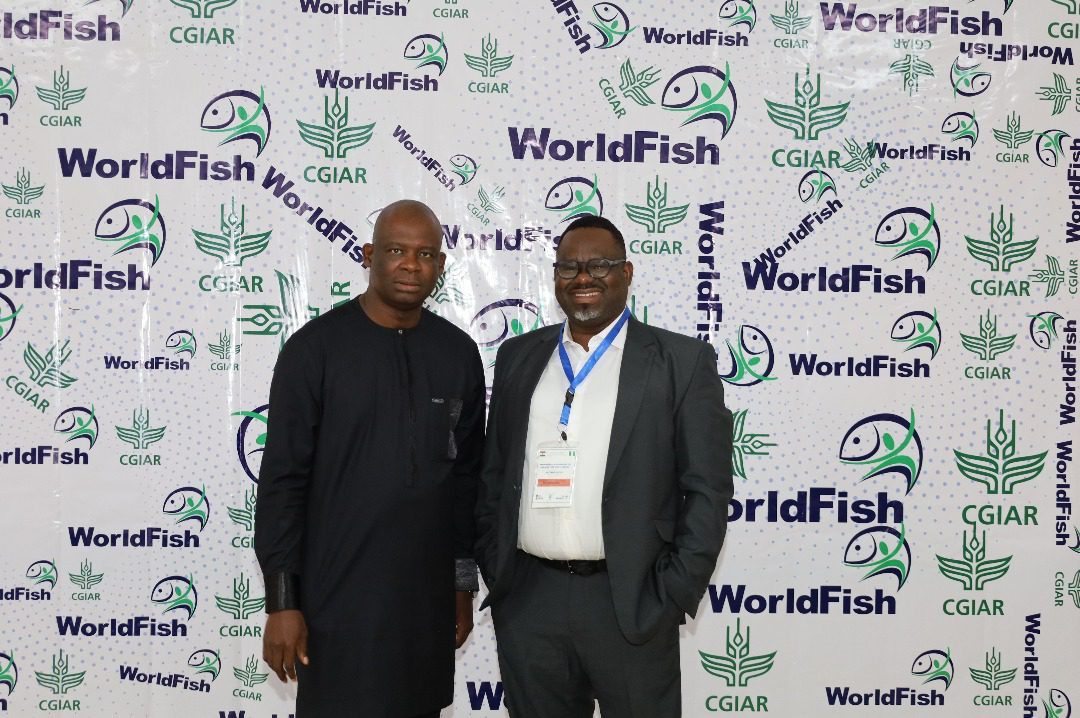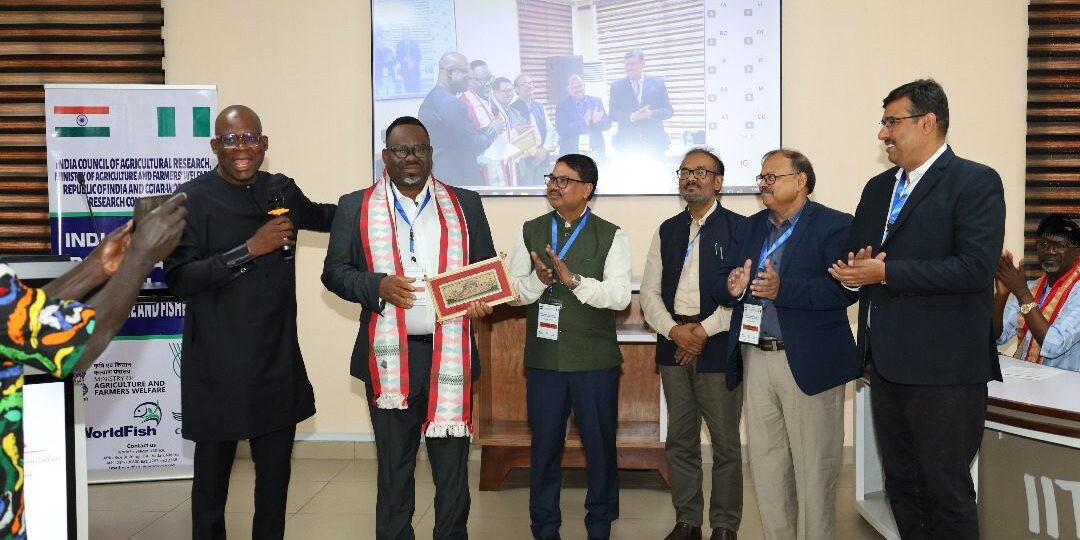
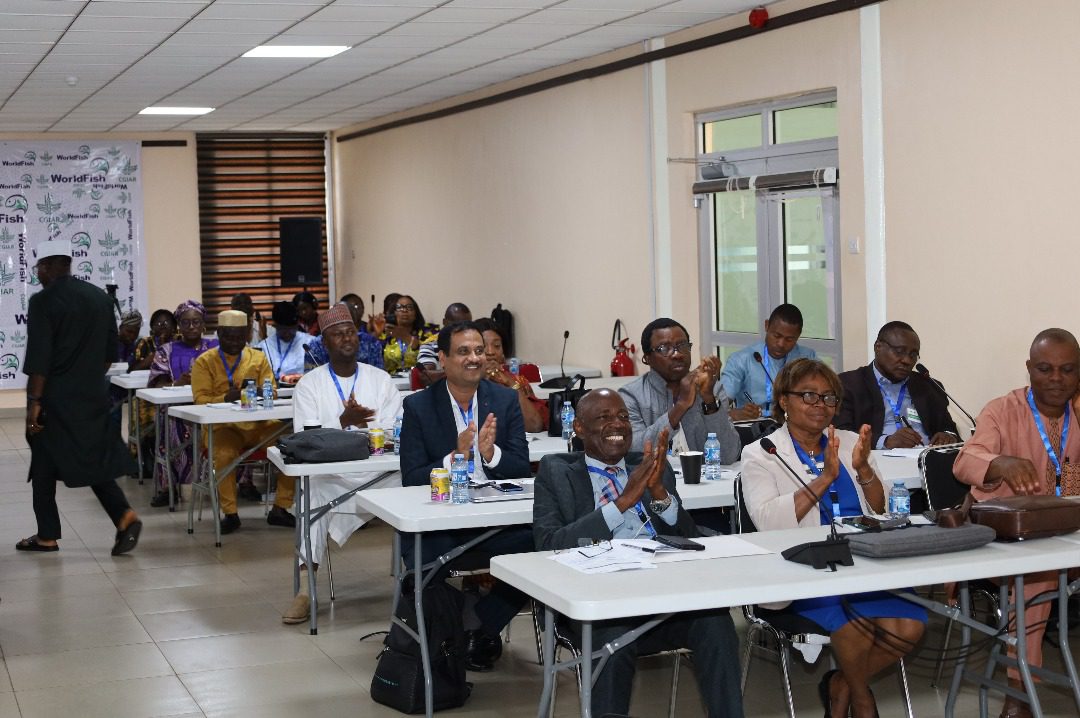
To promote innovation, shared learning, and sustainable investment in Nigeria’s aquaculture sector, the Foundation for Partnership Initiatives in the Niger Delta (PIND) participated in the India–Nigeria Aquaculture Knowledge Exchange Workshop, held on October 10, 2025, at the International Institute of Tropical Agriculture (IITA) in Ibadan, Oyo State.
Organized by WorldFish, the workshop brought together key stakeholders from India and Nigeria, including policymakers, researchers, private investors, and development organizations, to exchange knowledge and explore opportunities for collaboration in advancing aquaculture as a driver of food security, employment, and economic growth.
Strengthening Partnerships for Systemic Change
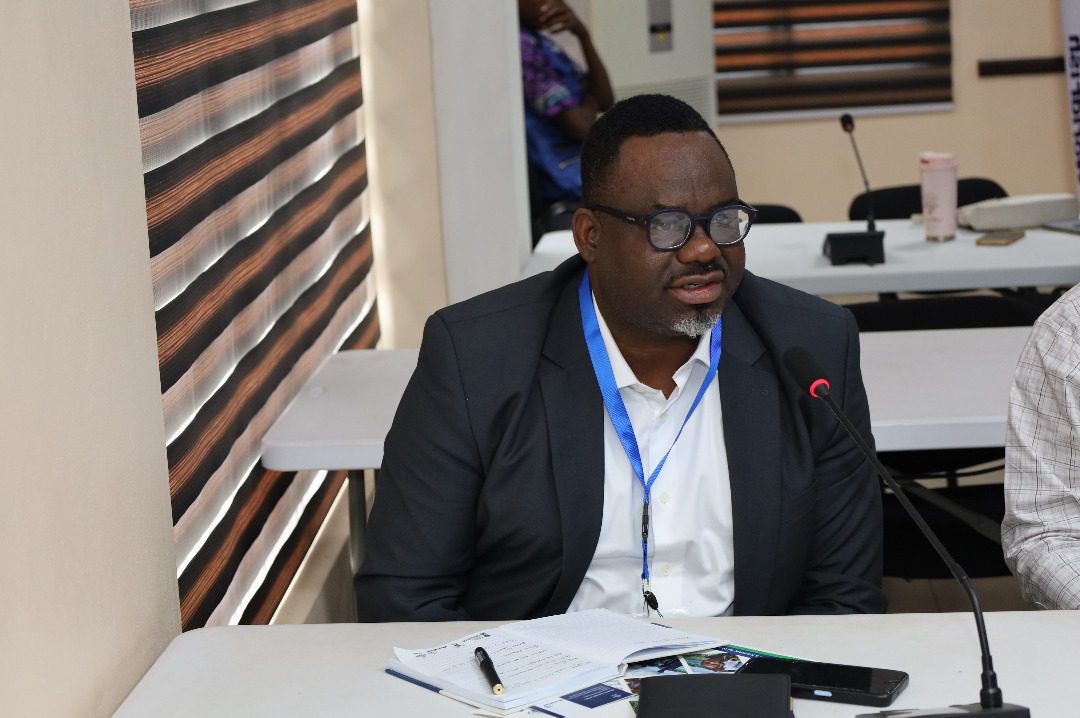
Representing PIND’s Executive Director, Mr. Sam Ogbemi Daibo, the Economic Development Manager, Mr. Misan Edema-Sillo, participated in a strategic panel discussion titled Investing in Sustainable Aquaculture: Opportunities and Challenges for Private Sector Growth in Nigeria’s Fisheries Sector.
Addressing questions on the theme, Supercharging Public–Private–Philanthropic Partnerships, Mr. Sillo underscored the critical role of multi-stakeholder collaboration in building a sustainable aquaculture sector in Nigeria. He drew insights from PIND’s decade-long experience in strengthening aquaculture value chains across the Niger Delta, emphasizing how coordinated partnerships have proven instrumental in unlocking private sector growth and promoting inclusive development.
“At PIND, we’ve learned that transformation happens when development is locally owned and partnerships are designed to serve both people and markets,” said Mr. Sillo. “When public, private, and philanthropic actors align their strengths, sustainable aquaculture becomes achievable.”
He noted that while Nigeria’s aquaculture sector holds immense potential, its growth is hindered by systemic challenges, including weak value chain coordination, high feed costs, limited technology adoption, and restricted access to finance. In response, PIND leverages its Market Systems Development (MSD) approach to address these barriers, fostering stronger coordination among value chain actors, enhancing market linkages, and promoting an environment that enables aquaculture enterprises to thrive sustainably.
Sharing Proven Models from the Niger Delta
The event also provided PIND with an opportunity to showcase several initiatives that have successfully strengthened the aquaculture ecosystem in the Niger Delta, including:
- Improved technology adoption: PIND partnered with research institutes and local fabricators to introduce improved smoking kilns and innovative processing technologies that enhance productivity and reduce post-harvest losses.
- Capacity building for service providers: More than 200 aquaculture service providers trained by PIND now offer technical assistance and business advisory services to farmers across the Niger Delta.
- Blended finance innovation: Through its Special Purpose Vehicles—Sombriero Kapital and Continuum Capital—PIND has facilitated access to finance for over 4,000 farmers and small businesses, helping to de-risk private investments and strengthen sector competitiveness.
Mr. Sillo explained that these interventions demonstrate how systemic facilitation and cross-sector collaboration can make aquaculture in the Niger Delta more resilient, profitable, and inclusive.
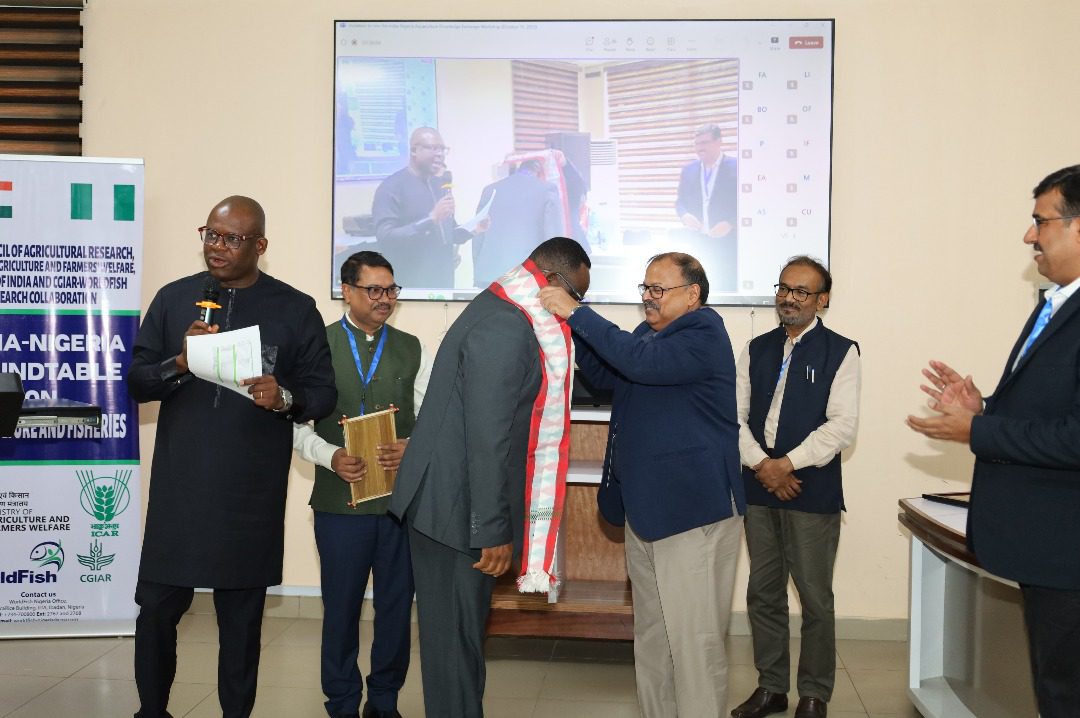
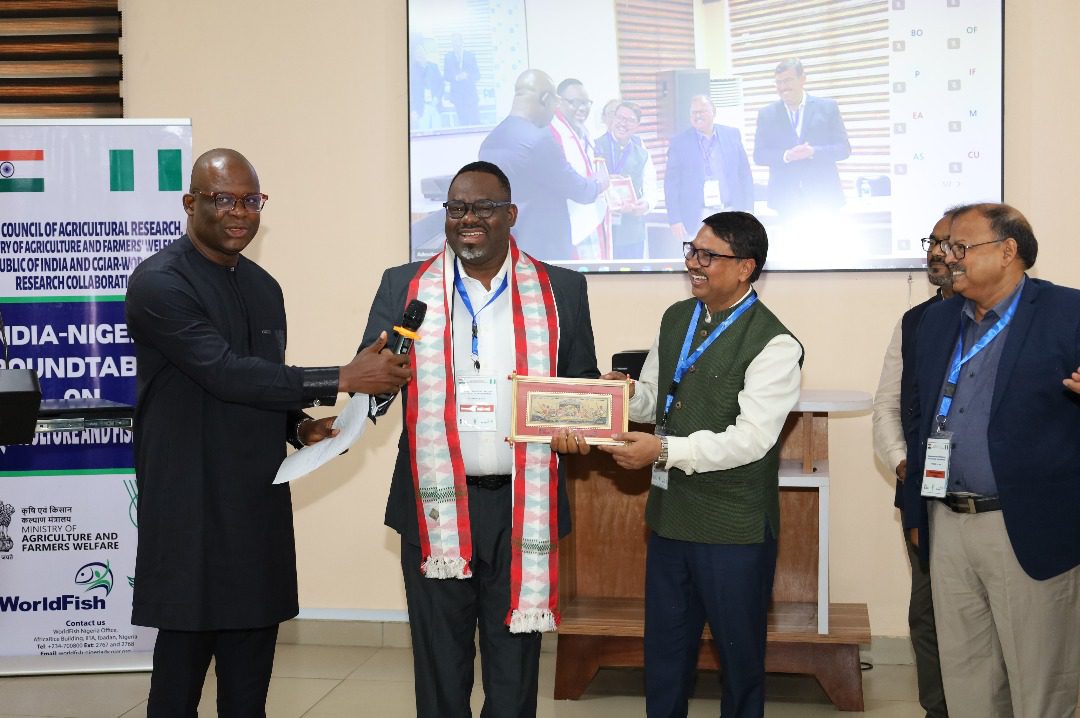
Fostering South–South Cooperation and Shared Innovation
The workshop reinforced the increasing momentum for South–South collaboration in promoting agricultural transformation and sustainable food systems. Highlighting India’s success in commercial aquaculture, feed innovation, and cluster-based fish farming, discussions centered on how shared learning and technology transfer can boost similar progress in Nigeria.
Mr. Sillo emphasized that such collaboration must move beyond traditional aid toward co-creation and mutual benefit, enabling both nations to leverage their expertise to address shared development challenges. He pointed to the potential for joint research, training, and investment facilitation between institutions such as WorldFish, NIOMR, and NCAM.
Looking Ahead: Advancing a Sustainable Aquaculture Future
PIND’s participation in the India–Nigeria Aquaculture Knowledge Exchange Workshop reaffirmed its commitment to driving market-led and inclusive growth through strategic partnerships and knowledge exchange.
As PIND advances its Phase IV strategy, it remains steadfast in strengthening the Niger Delta’s aquaculture ecosystem, expanding access to finance, and fostering food security across the Niger Delta. By deepening collaboration with global and regional partners, the Foundation continues to build momentum toward a resilient, equitable, and sustainable aquaculture future for the region.