For years, communities around Okomu Oil Palm Company have lived with both opportunity and tension — balancing livelihoods, expectations, and unresolved disputes. Now, a new chapter is beginning, driven not from boardrooms but from within the communities themselves.
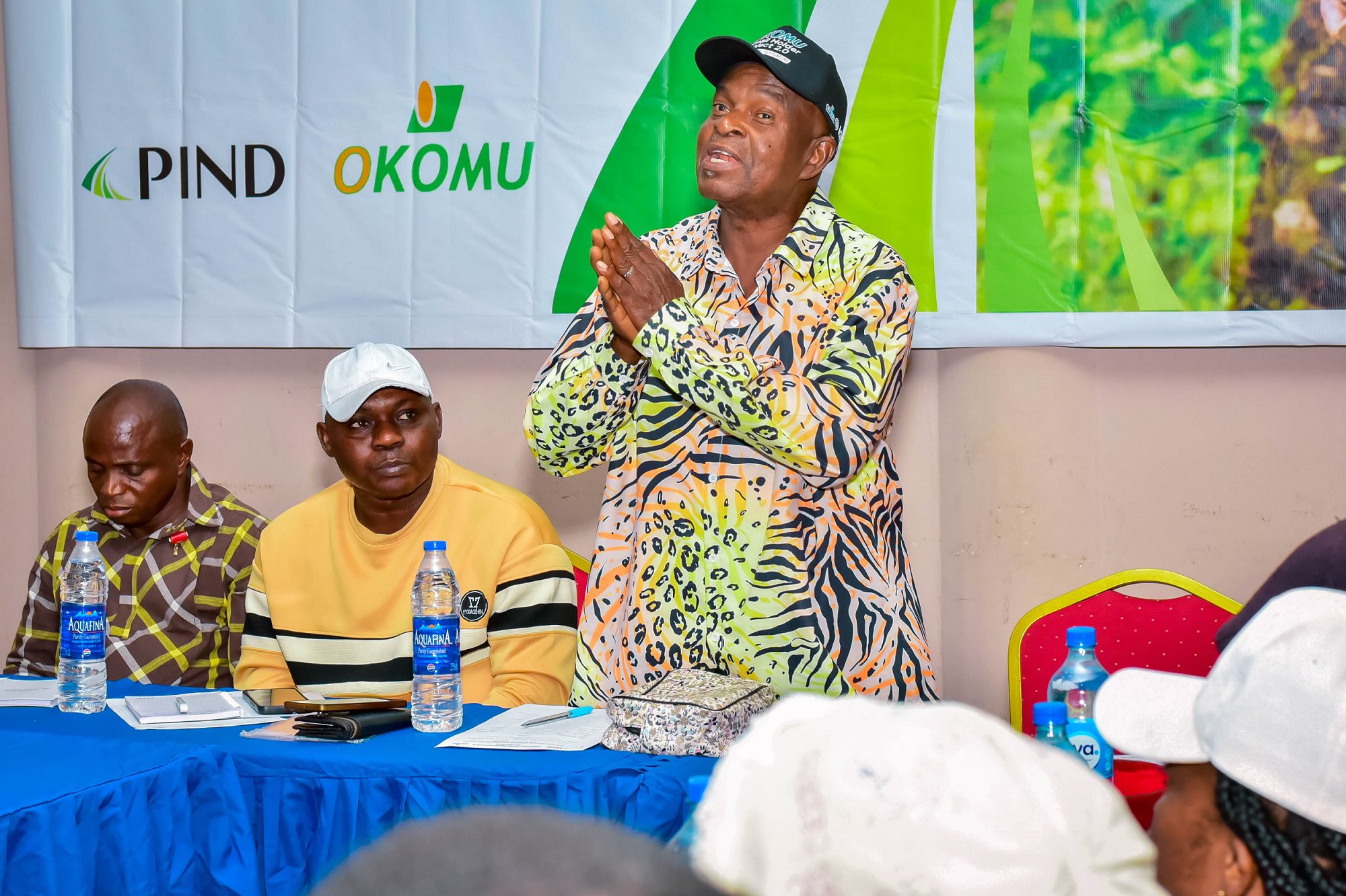
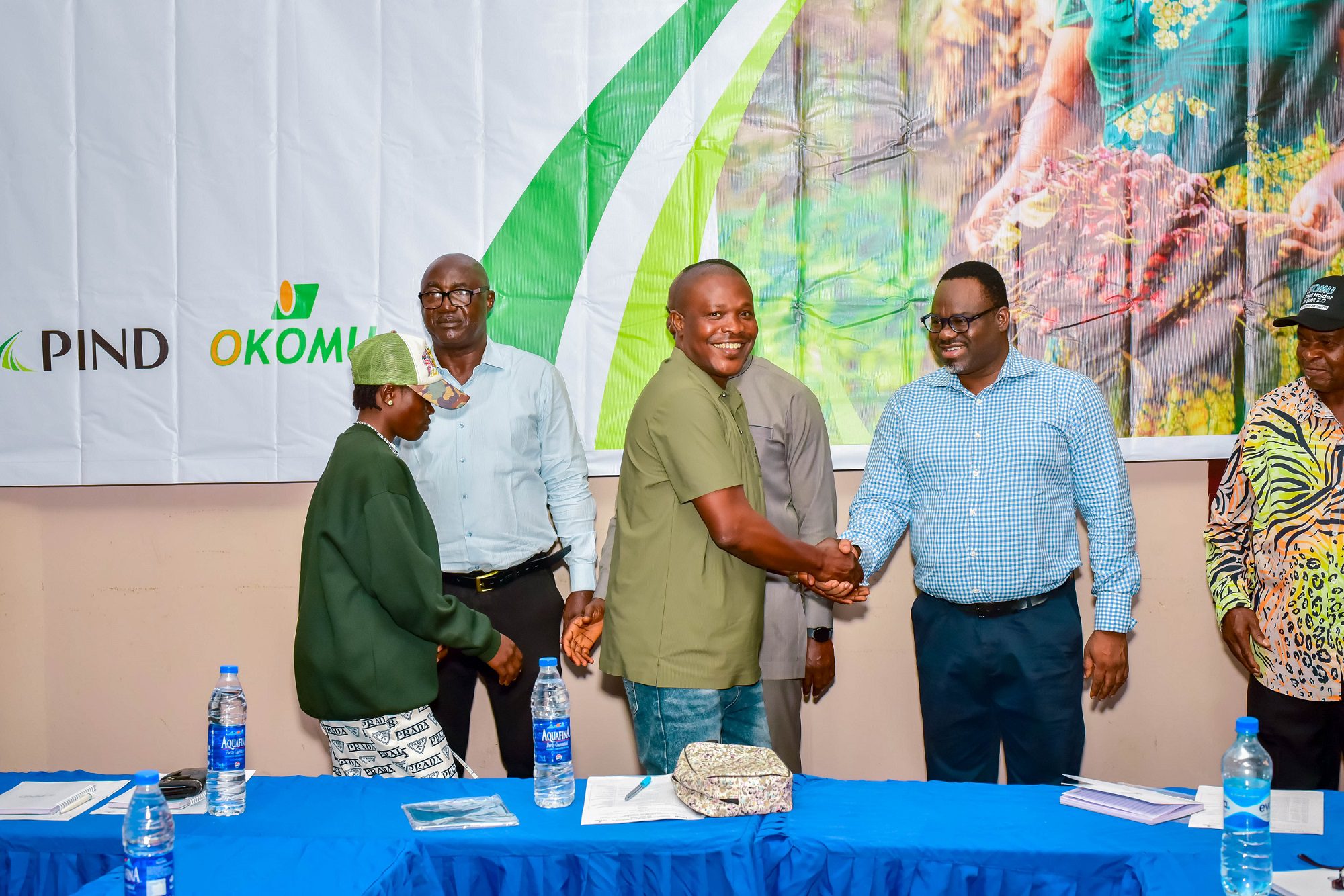
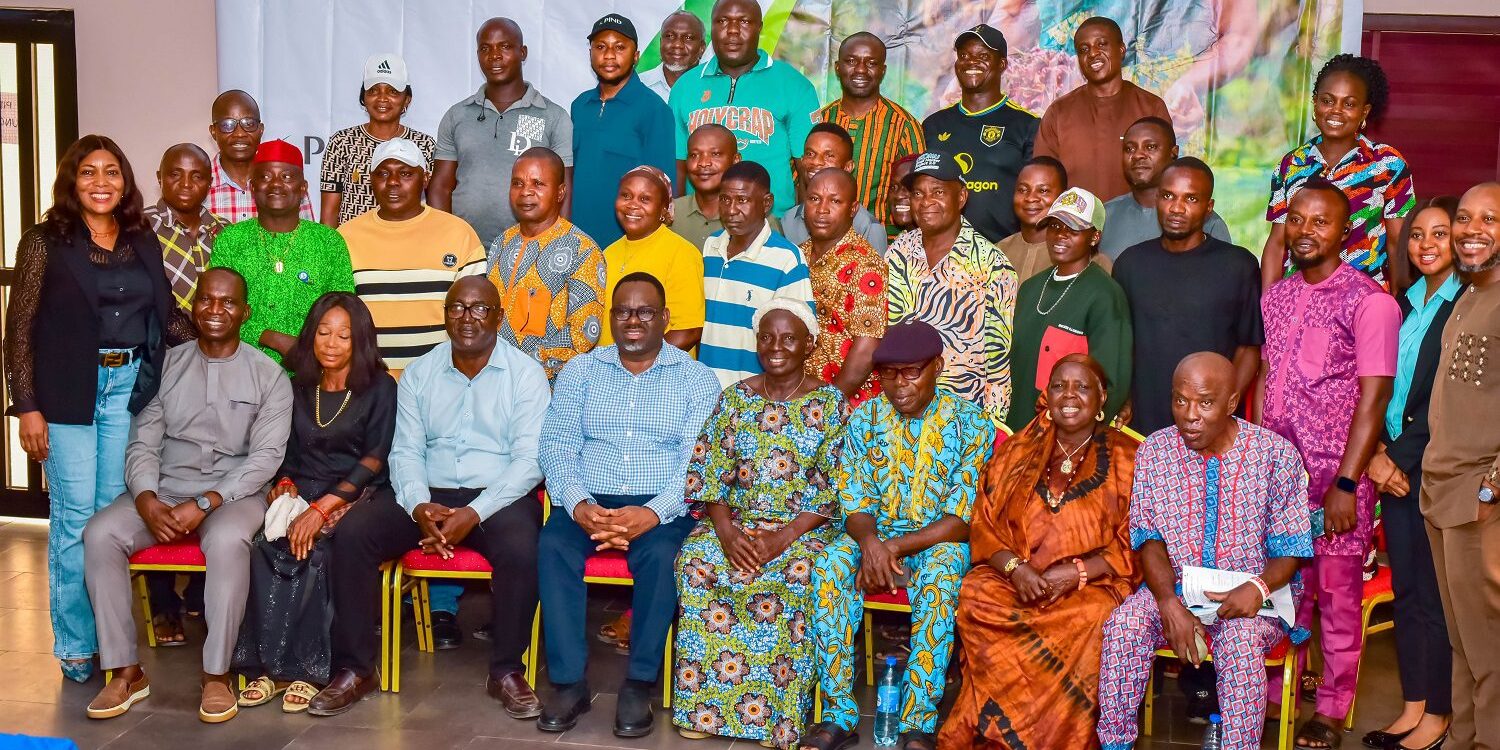
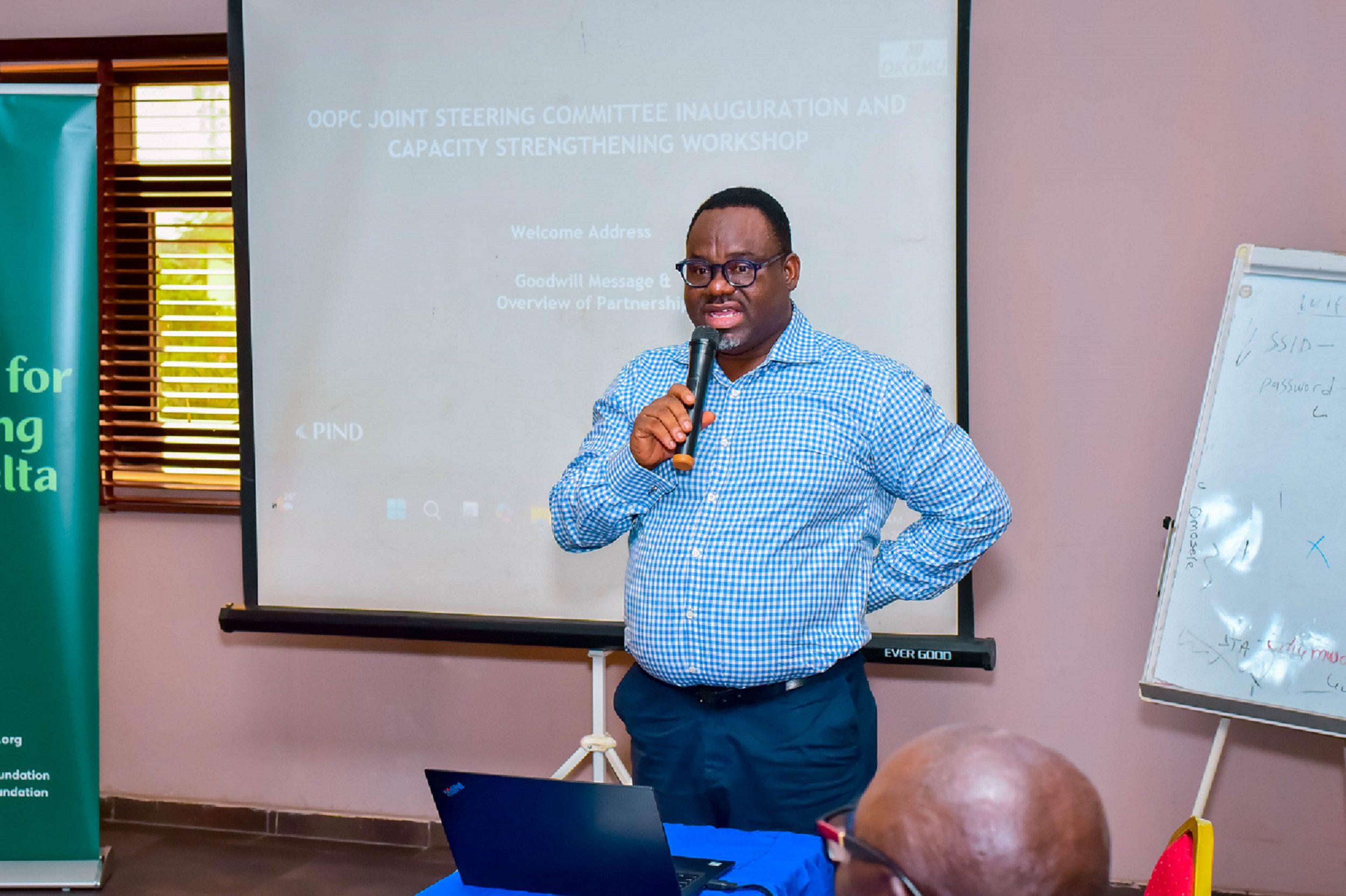
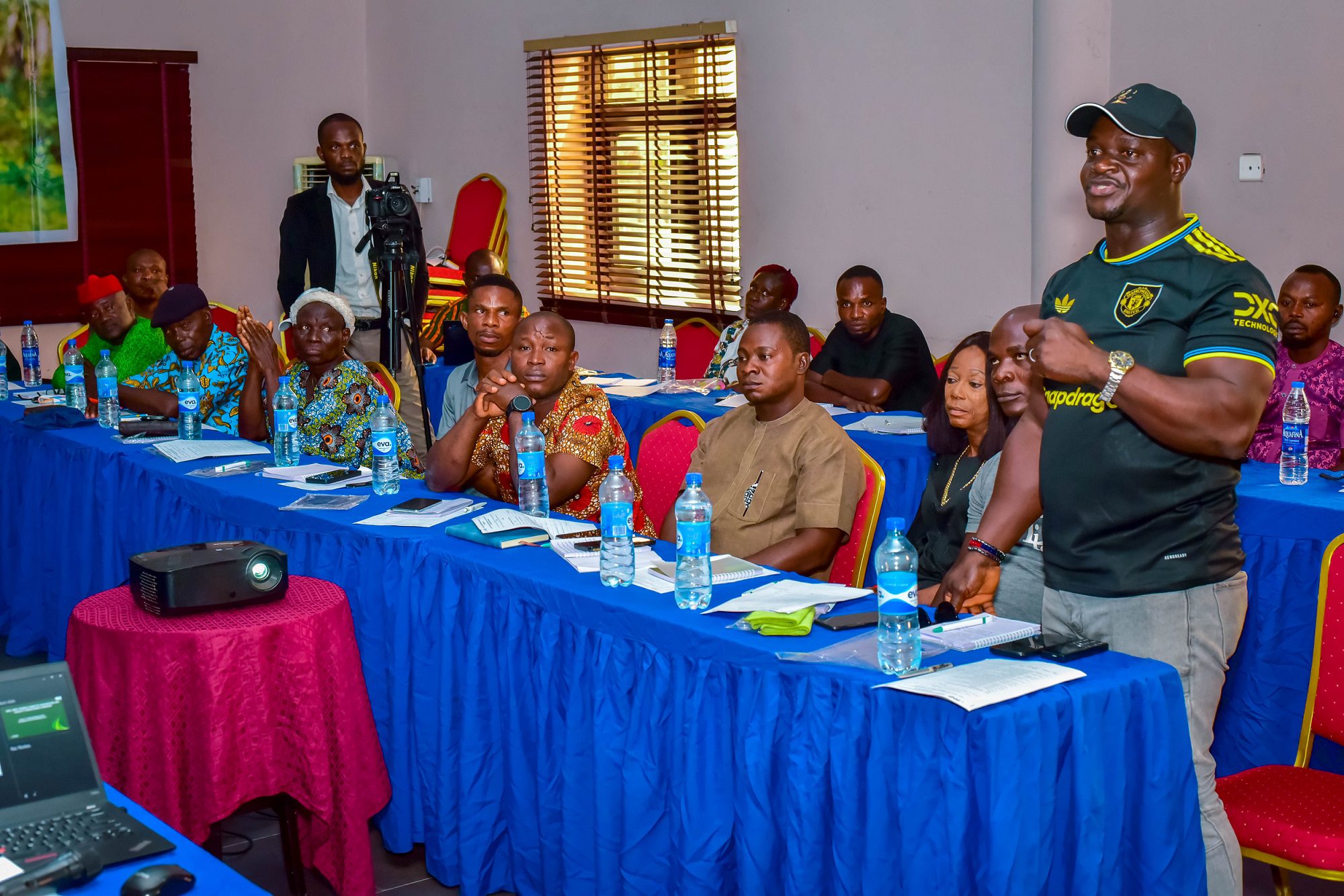
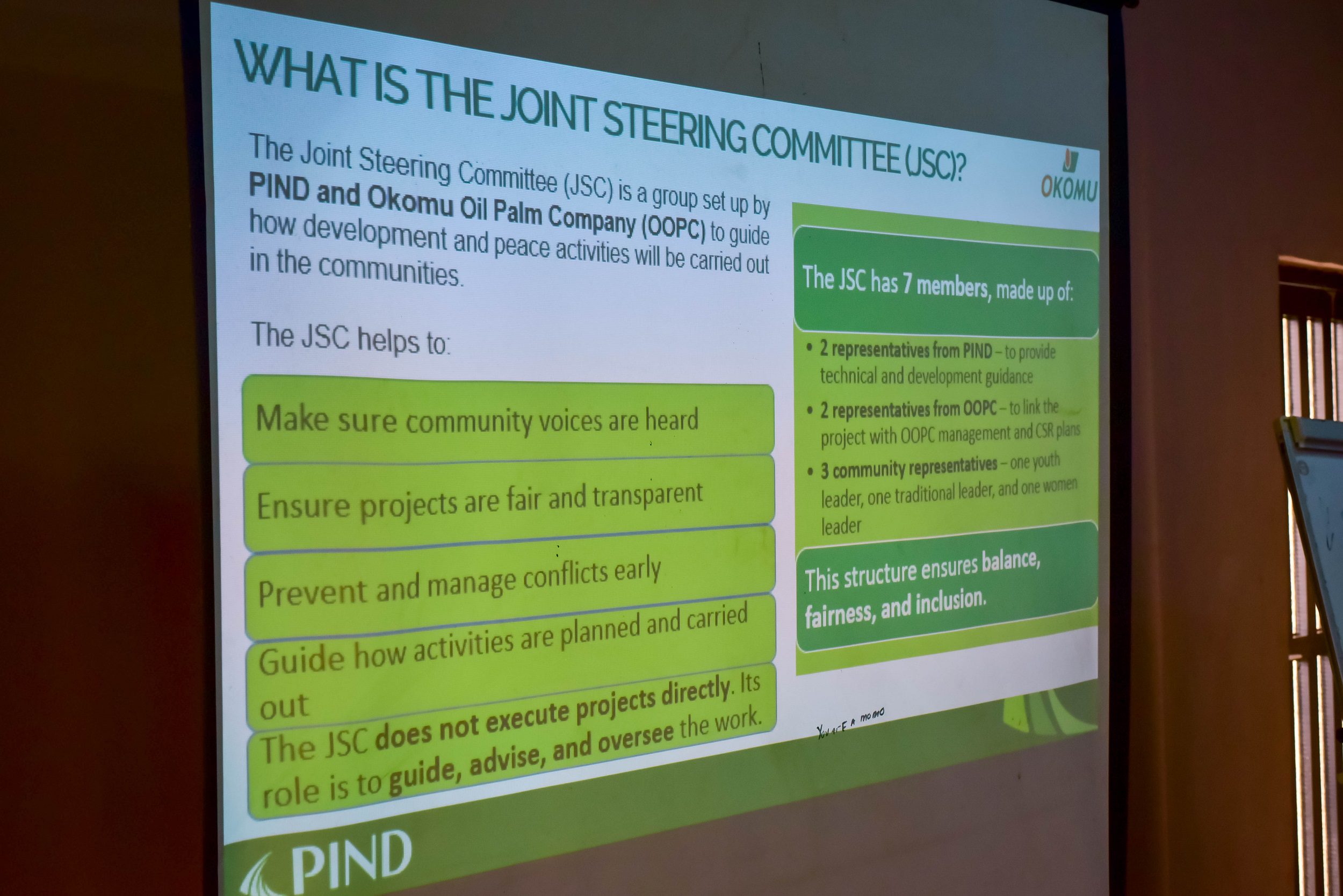
In Benin City, the Foundation for Partnership Initiatives in the Niger Delta (PIND) and Okomu Oil Palm Company Plc (OOPC) inaugurated a 58-member Joint Steering Committee — a first-of-its-kind platform that places host communities at the center of peacebuilding and development decisions. This committee marks a shift toward shared responsibility, dialogue, and locally driven solutions across Okomu’s 18 host communities in Edo State.
Why This Matters to Communities
The initiative emerged from a Comprehensive Needs Assessment (CNA) conducted across the communities, which revealed persistent challenges: leadership disputes, youth frustration, limited economic opportunities, weak governance structures, and the exclusion of women from decision-making.
Rather than treating these issues in isolation, PIND and OOPC designed a multi-sectoral intervention linking peacebuilding with livelihoods, finance, and energy access. Anchored around five strategic pillars — Peacebuilding, Market Systems Development (MSD), Youth Employment Pathways (YEP), Access to Finance (A2F), and Access to Energy (A2E) — the Joint Steering Committee serves as a bridge between communities and the company.
Each community nominated representatives — traditional leaders, youth, and women — ensuring residents have a direct voice in shaping priorities, monitoring projects, and guiding interventions.
Building Skills for Leadership and Dialogue
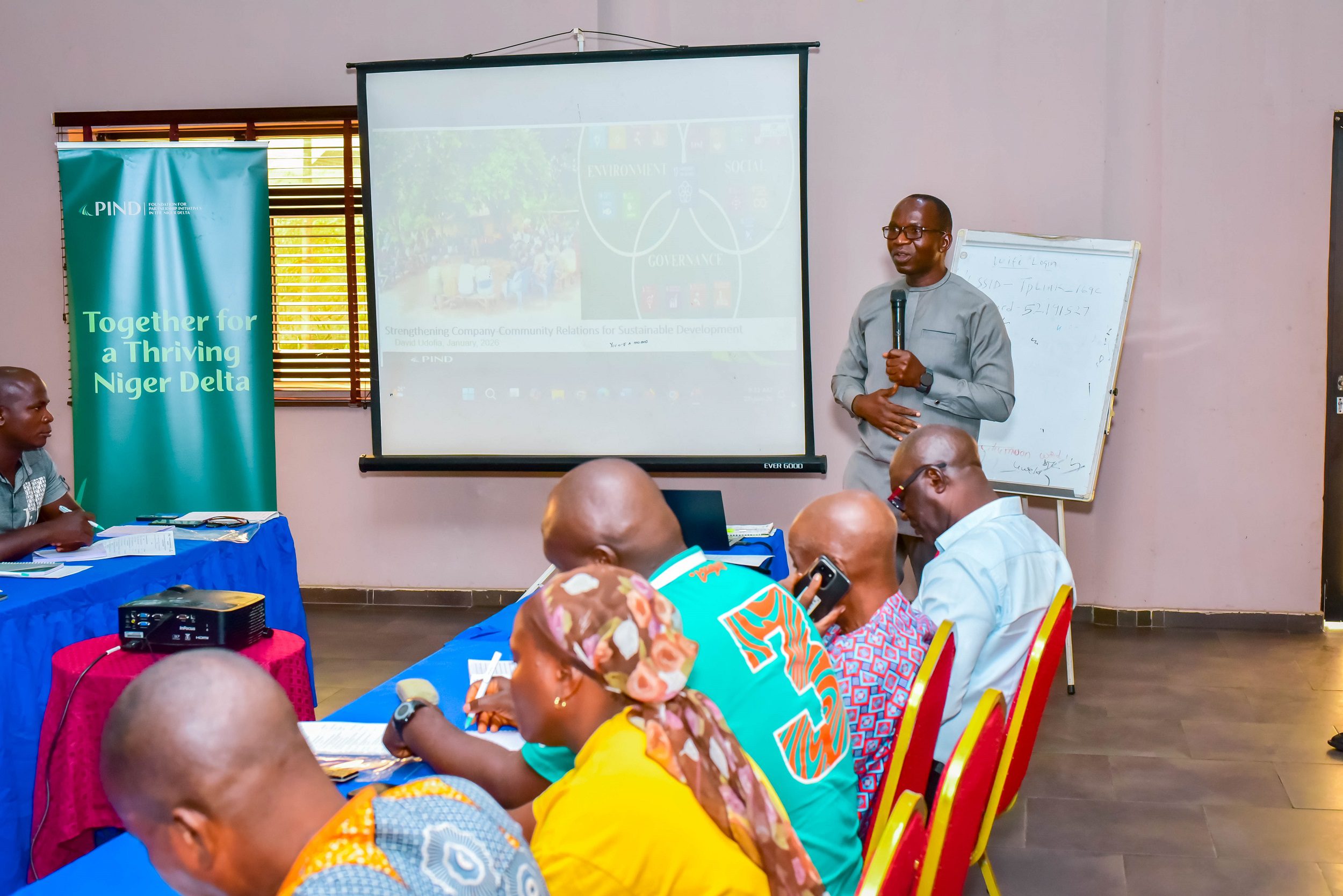
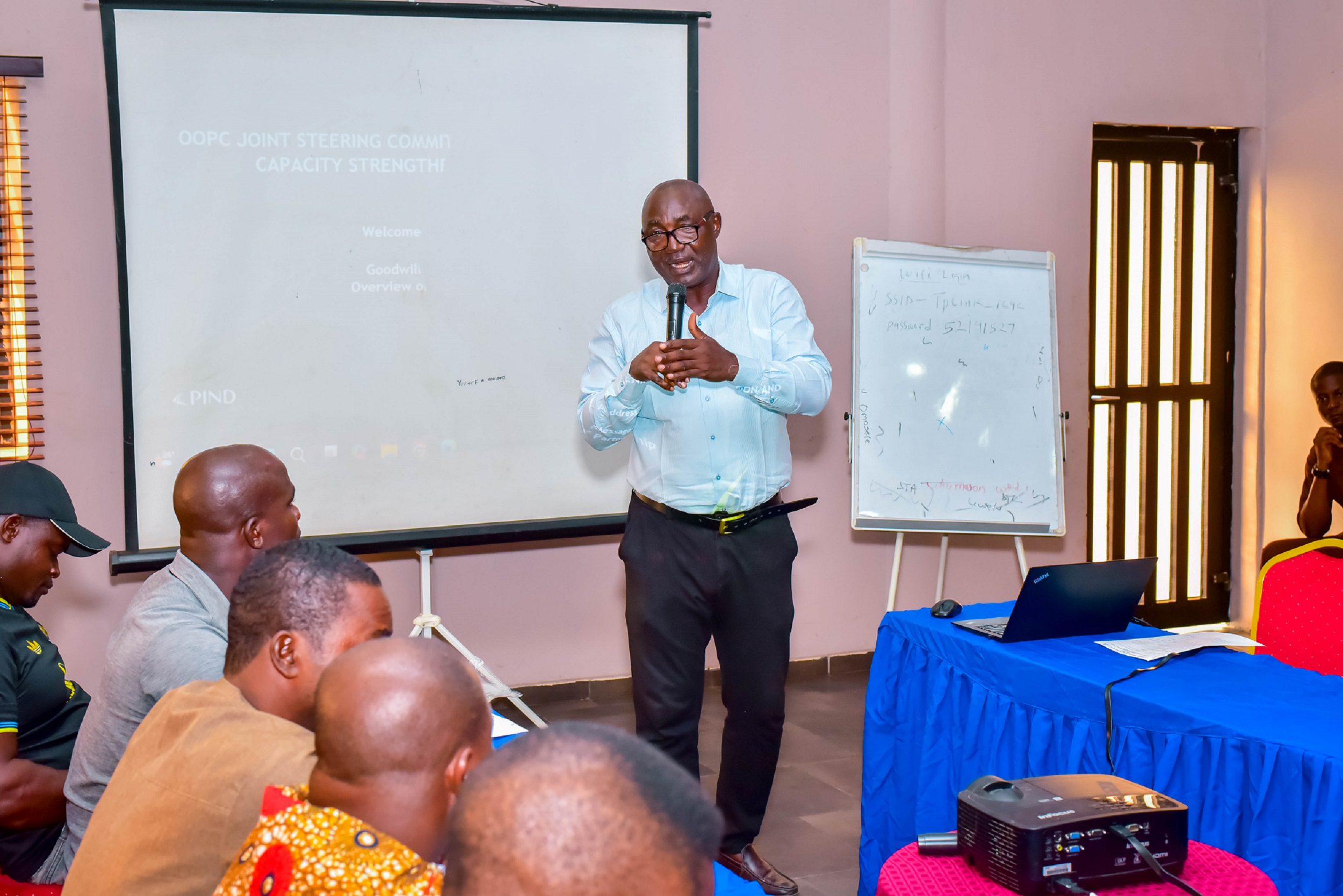
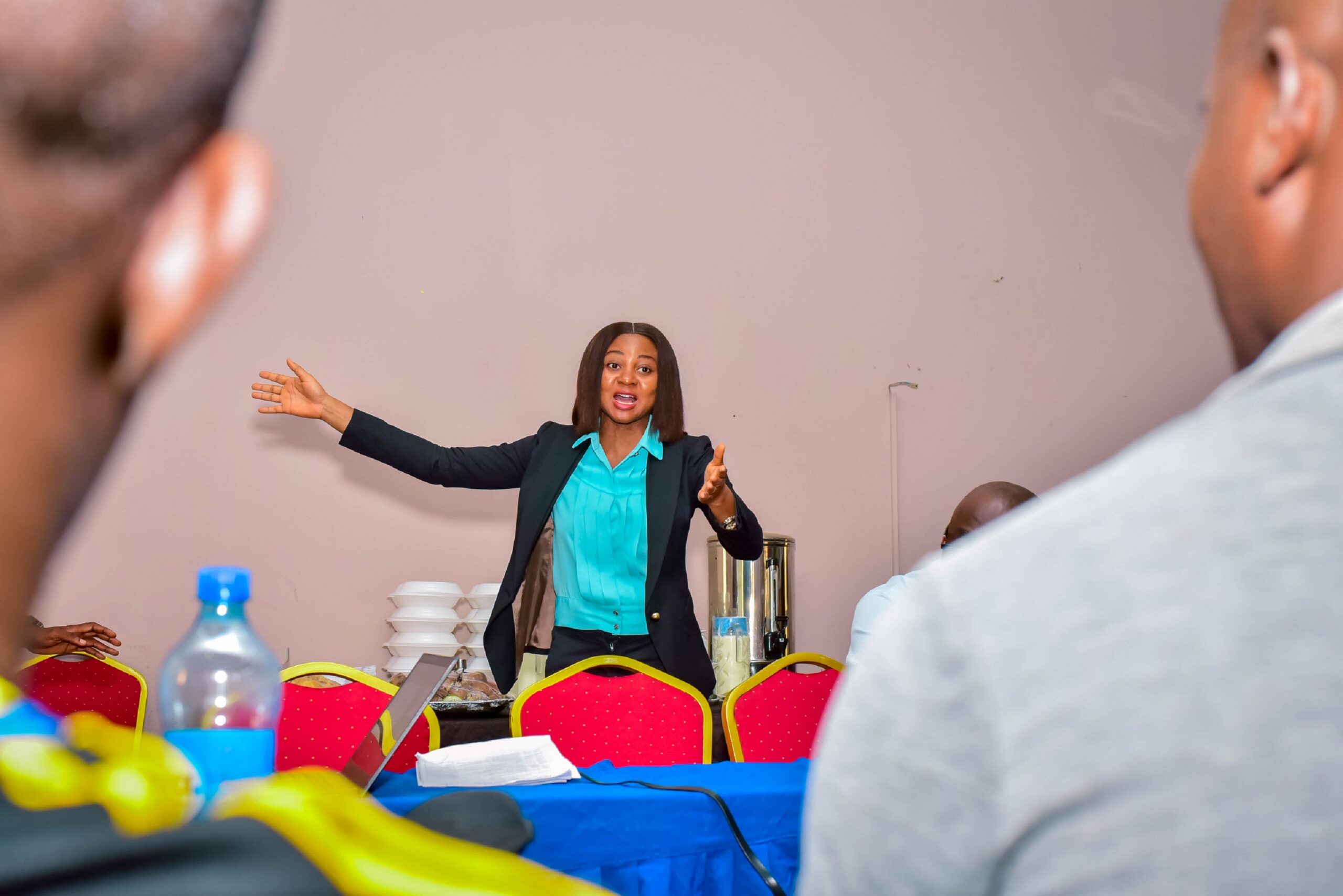
To equip committee members for this crucial role, PIND facilitated a two-day capacity-strengthening workshop focused on practical leadership and collaboration.
Participants explored:
- Mediation techniques to resolve disputes before escalation
- Inclusive community engagement strategies
- Transparent project oversight
- Early conflict detection using PIND’s Early Warning and Early Response (EWER) system
Through group discussions, role plays, and real-life case studies, members practiced resolving disputes, building trust, and collaborating across community and company boundaries. They also learned how to use PIND’s Monitoring, Evaluation, and Learning (MEL) framework, contributing to real-time conflict monitoring, reporting, and adaptive project management.
What This Partnership Is Changing
Beyond training, the Joint Steering Committee provides a platform for:
- Inclusive decision-making across all 18 host communities
- Joint problem-solving between OOPC and residents
- Clearer communication and accountability
- Better alignment of resources toward youth employment, energy access, and small businesses
- Stronger leadership roles for women and young people
Instead of reacting to crises, communities are now building systems that prevent conflict and create opportunities.
A Foundation for Lasting Peace and Growth
By investing in local leadership and shared governance, PIND and OOPC are transforming relationships once marked by mistrust into partnerships built on dialogue, cooperation, and mutual accountability.
At the close of the sessions, committee members left not only with new skills but with a renewed sense of responsibility — ready to mediate tensions, support innovation, and guide development in their communities.