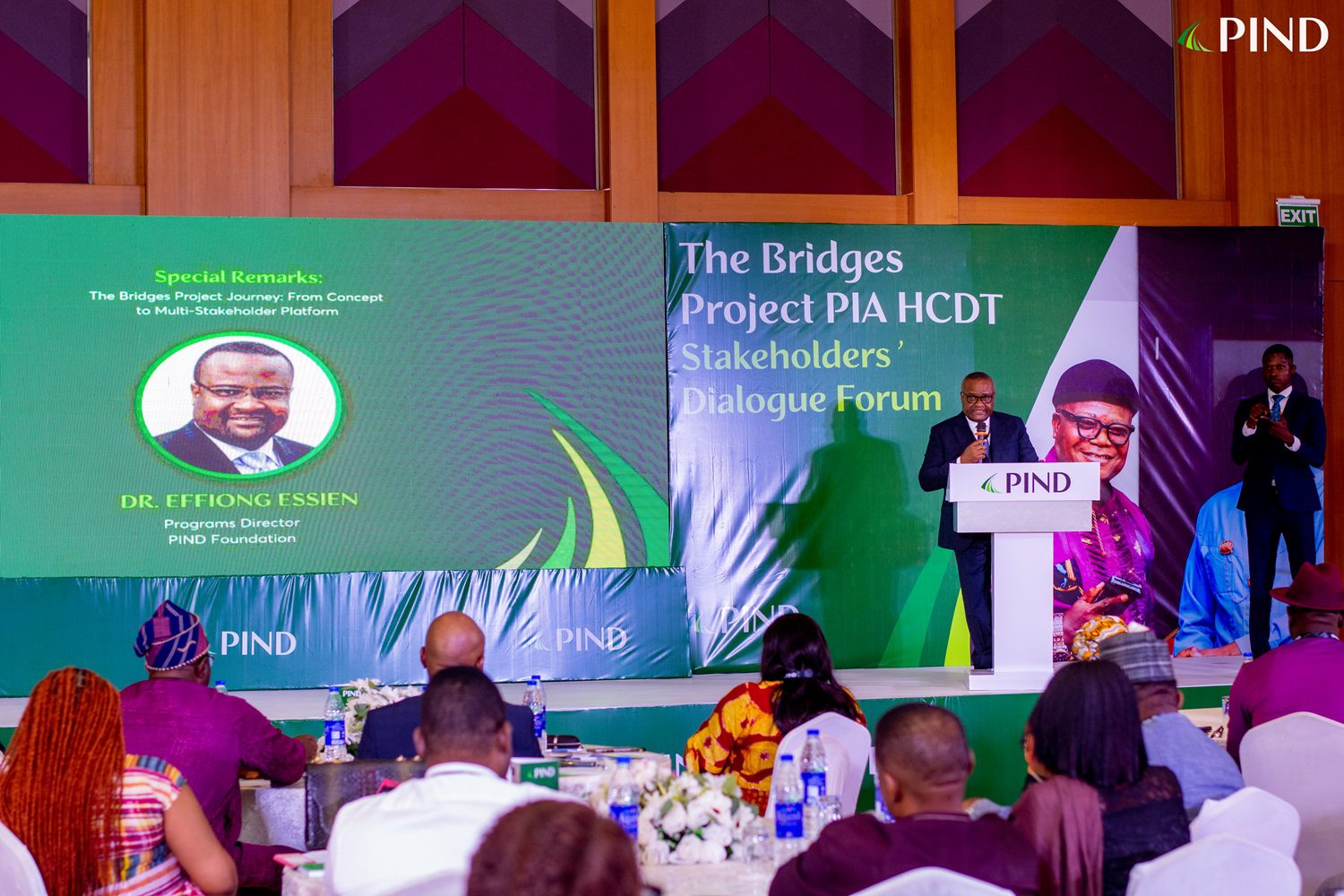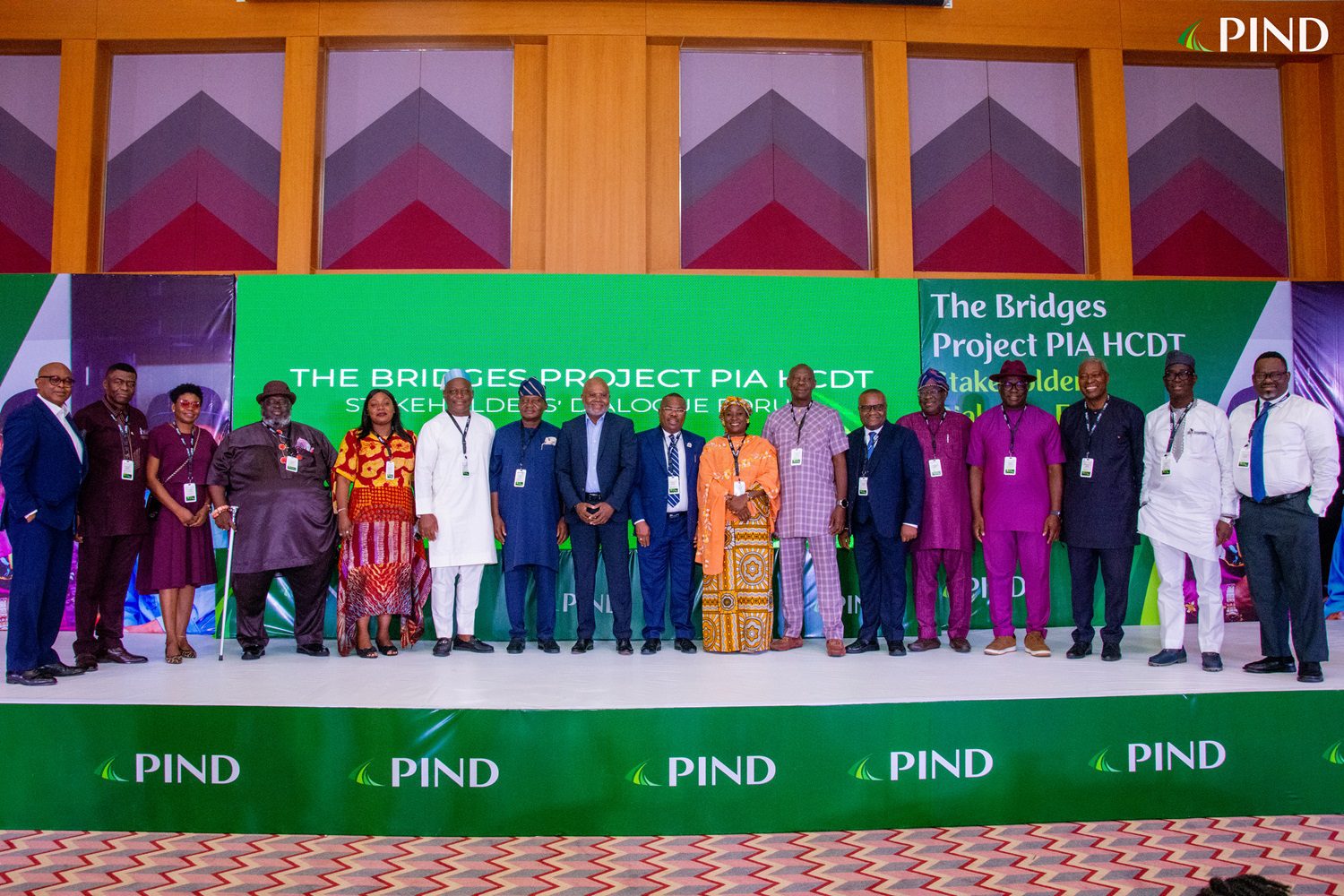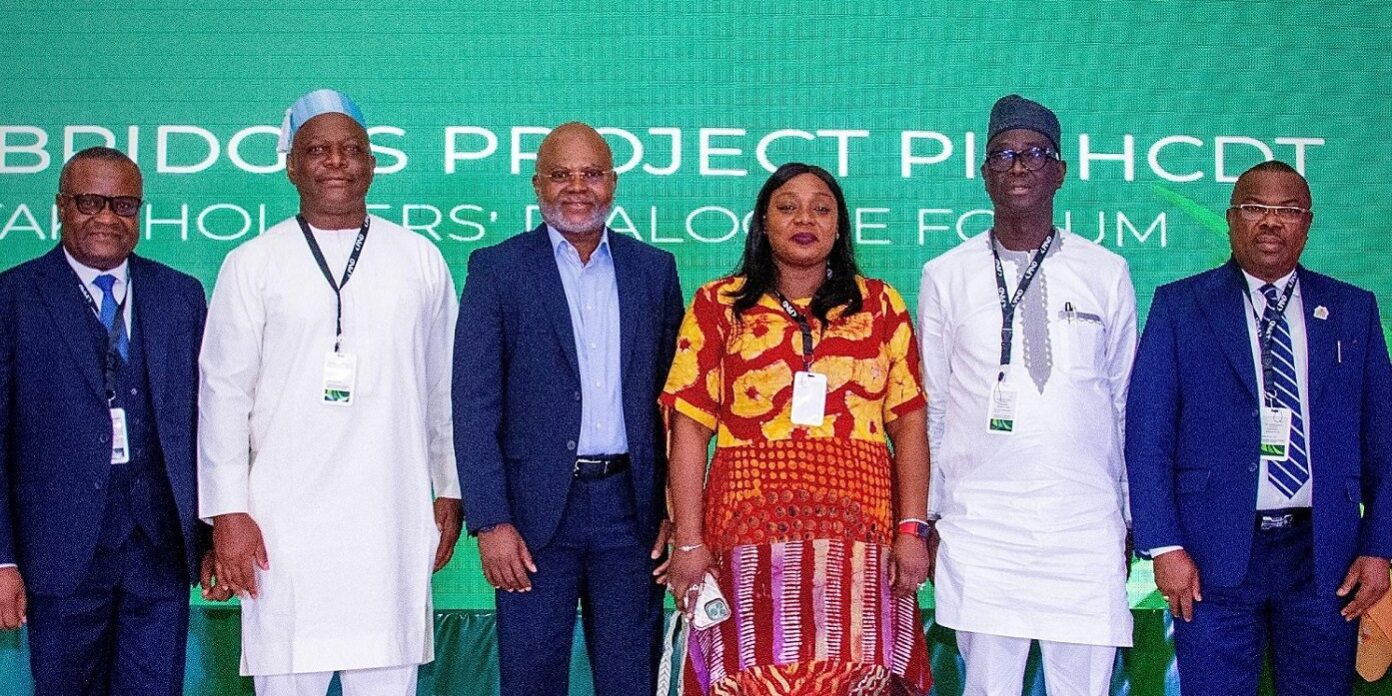
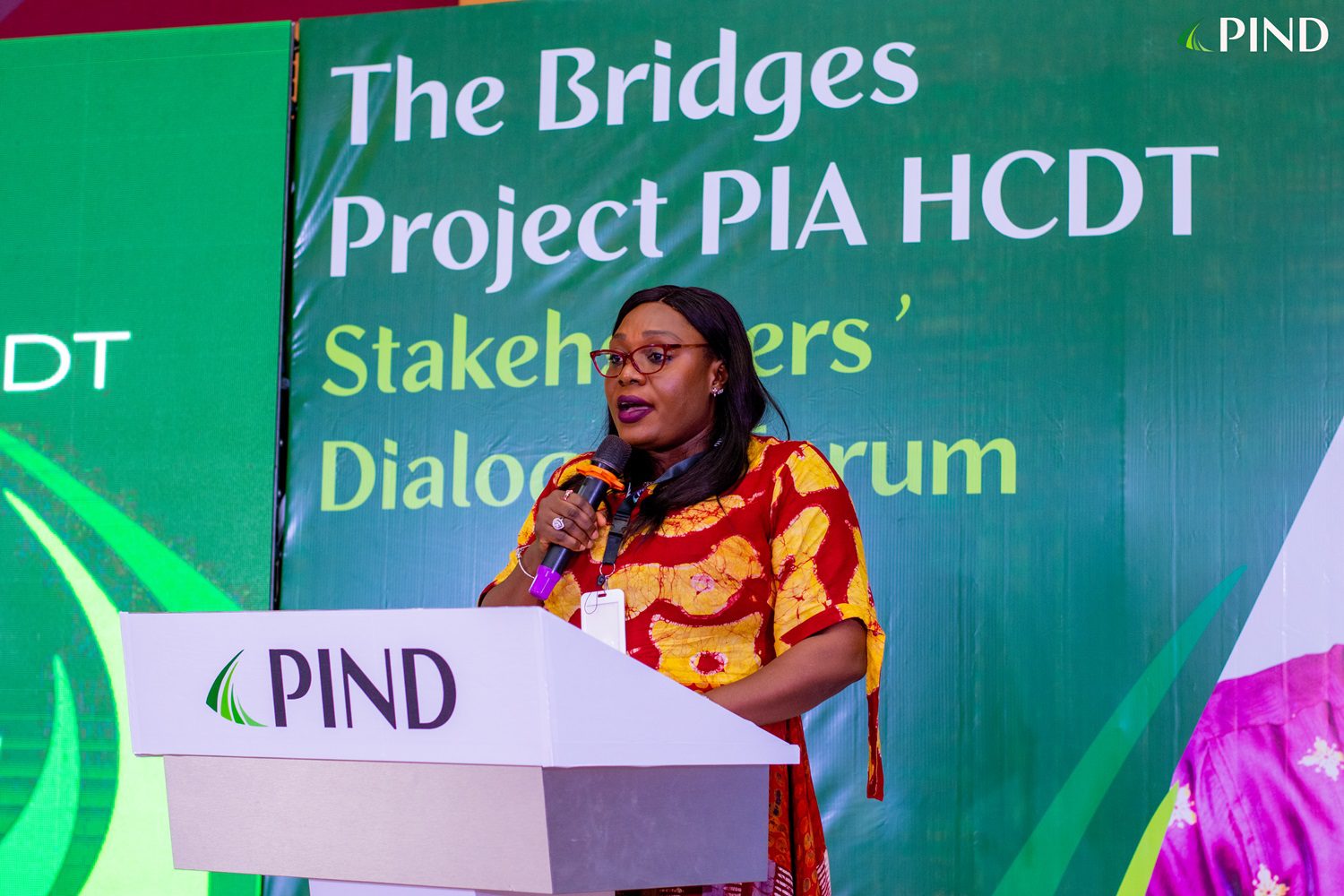
The Foundation for Partnership Initiatives in the Niger Delta (PIND) formally closed out the three-year Bridges Project with the PIA-HCDT Stakeholders’ Dialogue Forum in Ikot Ekpene, Akwa Ibom, convening representatives from the Nigerian Upstream Petroleum Regulatory Commission (NUPRC), Niger Delta Development Commission (NDDC), South South Development Commission (SSDC), Nigerian Content Development and Monitoring Board (NCDMB), state governments, development partners, settlors, civil society, and community leaders.
Held from November 12 to 13, 2025, the forum provided a strategic platform for reflecting on lessons learned from four years of implementing the Petroleum Industry Act (PIA), particularly the HCDT provisions, and outlining clear next steps for strengthening sustainable development in Nigeria’s oil-producing communities.
Launched in 2023 in collaboration with the Ford Foundation, the Bridges Project established a transformative Multi-Stakeholder Platform (MSP) that deepened trust, strengthened transparency, and promoted shared accountability in the operationalization of the HCDT framework—a core pillar of the PIA designed to ensure that host communities benefit directly from extractive industry activities.
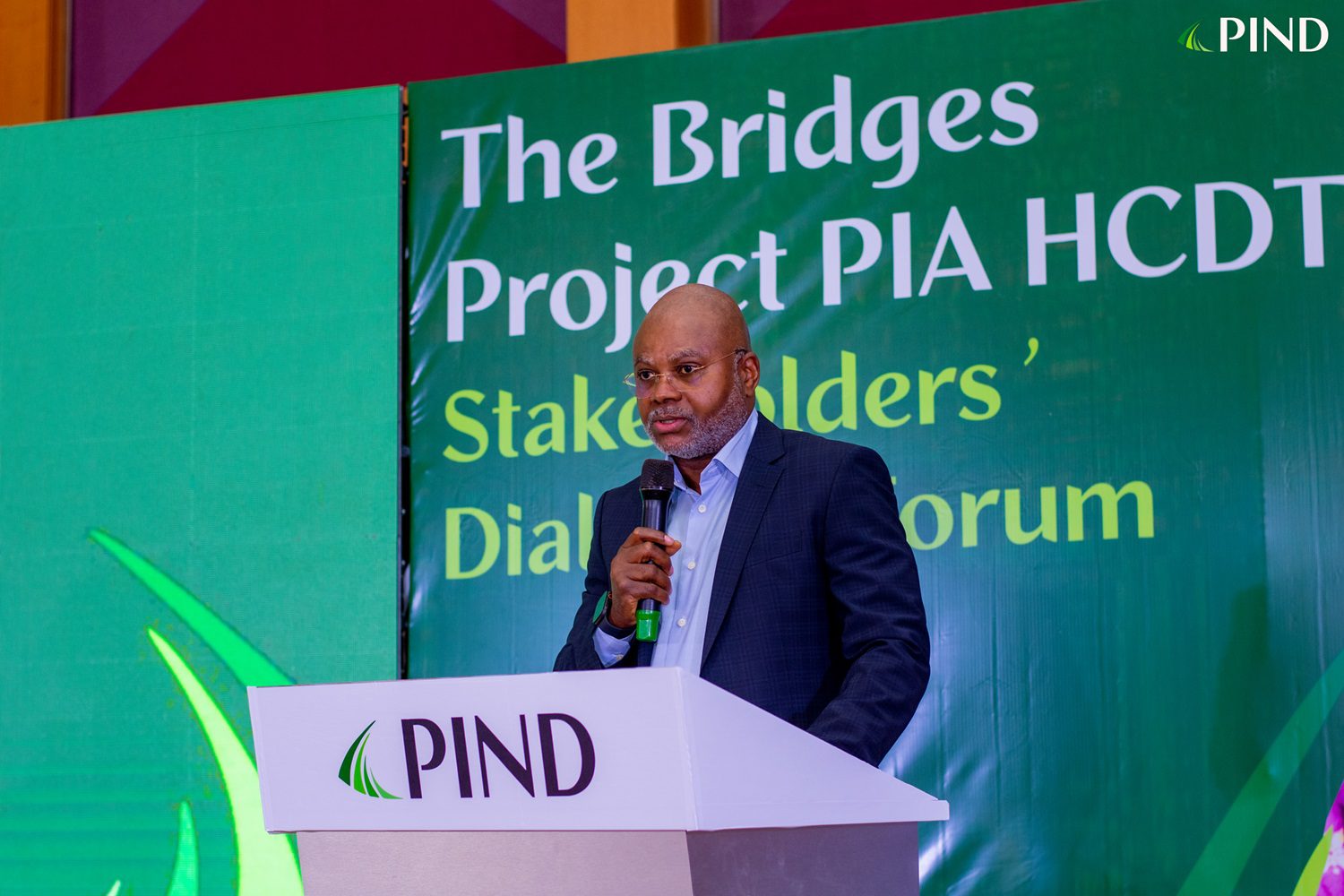
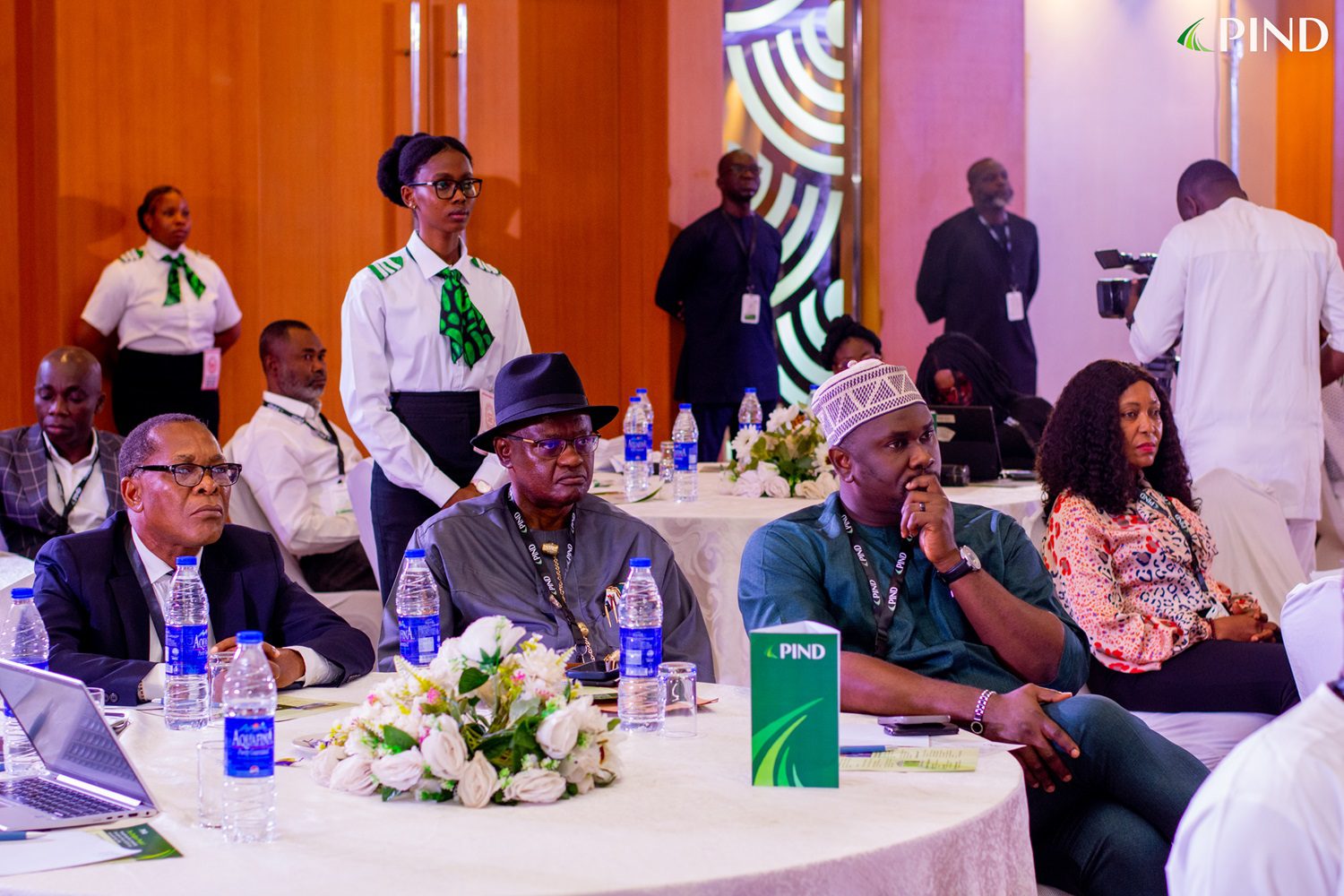
A Convergence of Stakeholders for a Stronger HCDT System
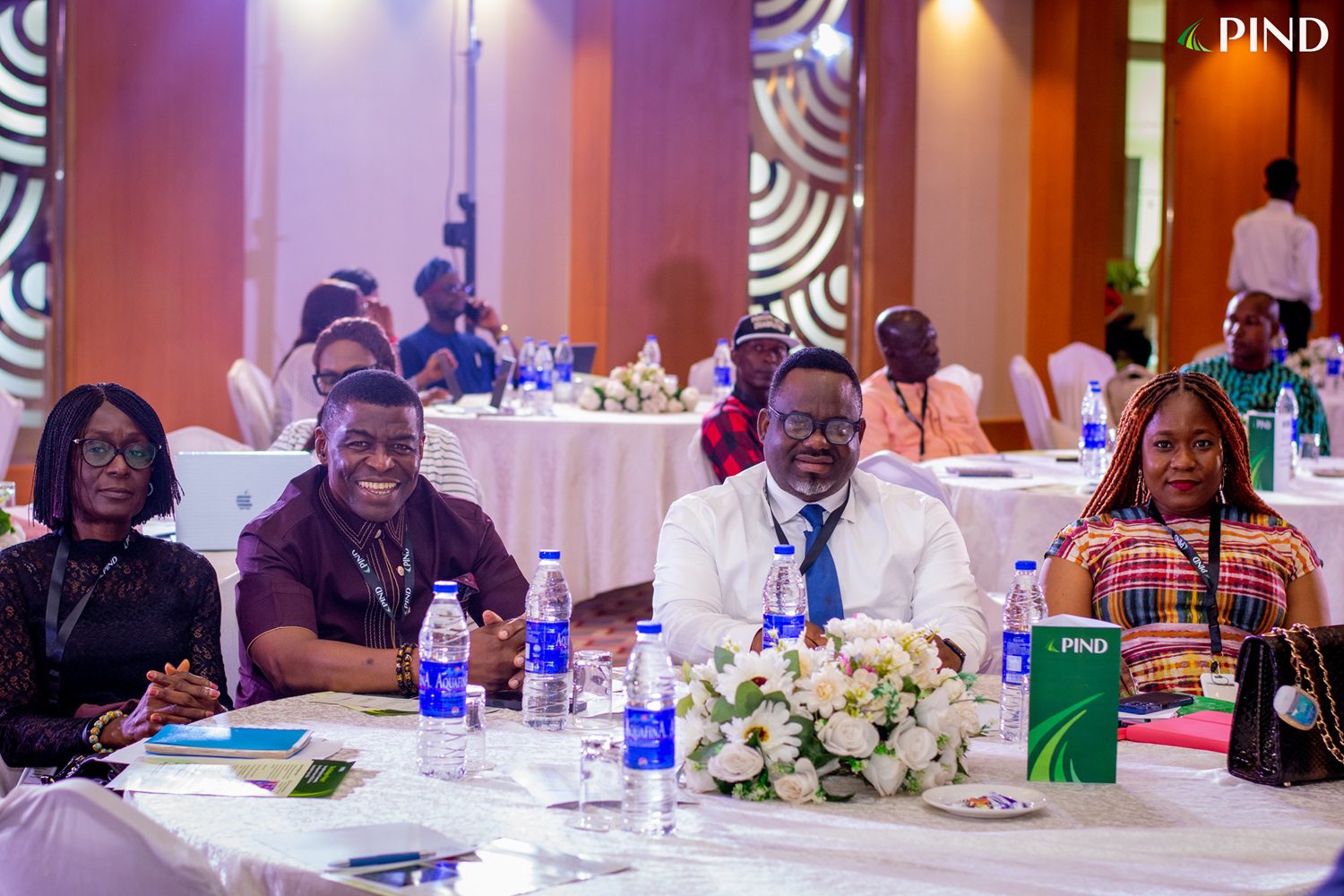
The two-day close-out forum, themed “Four Years of the PIA: Lessons, Gains, and the Path Forward for Host Community Development Trusts (HCDTs),” brought together over 150 participants. Stakeholders reviewed the progress and challenges of HCDT implementation across the Niger Delta and explored evidence, insights, and models emerging from the Bridges Project’s multi-stakeholder platforms, capacity-building efforts, and awareness program.
PIND Affirms Continuity of Support to Strengthen HCDTs
In his remarks, Mr. Sam Ogbemi Daibo, Executive Director of PIND Foundation, described the forum as a pivotal moment in consolidating lessons from three years of collaboration under the Bridges Project. “The Bridges Project has shown that the success of the PIA, and particularly the HCDT model, depends not just on compliance, but on collaboration, trust, and shared accountability. The lessons learned from this process provide a roadmap for the years ahead, guiding how we strengthen partnerships, deepen community engagement, and sustain the gains of host community development,” he said.
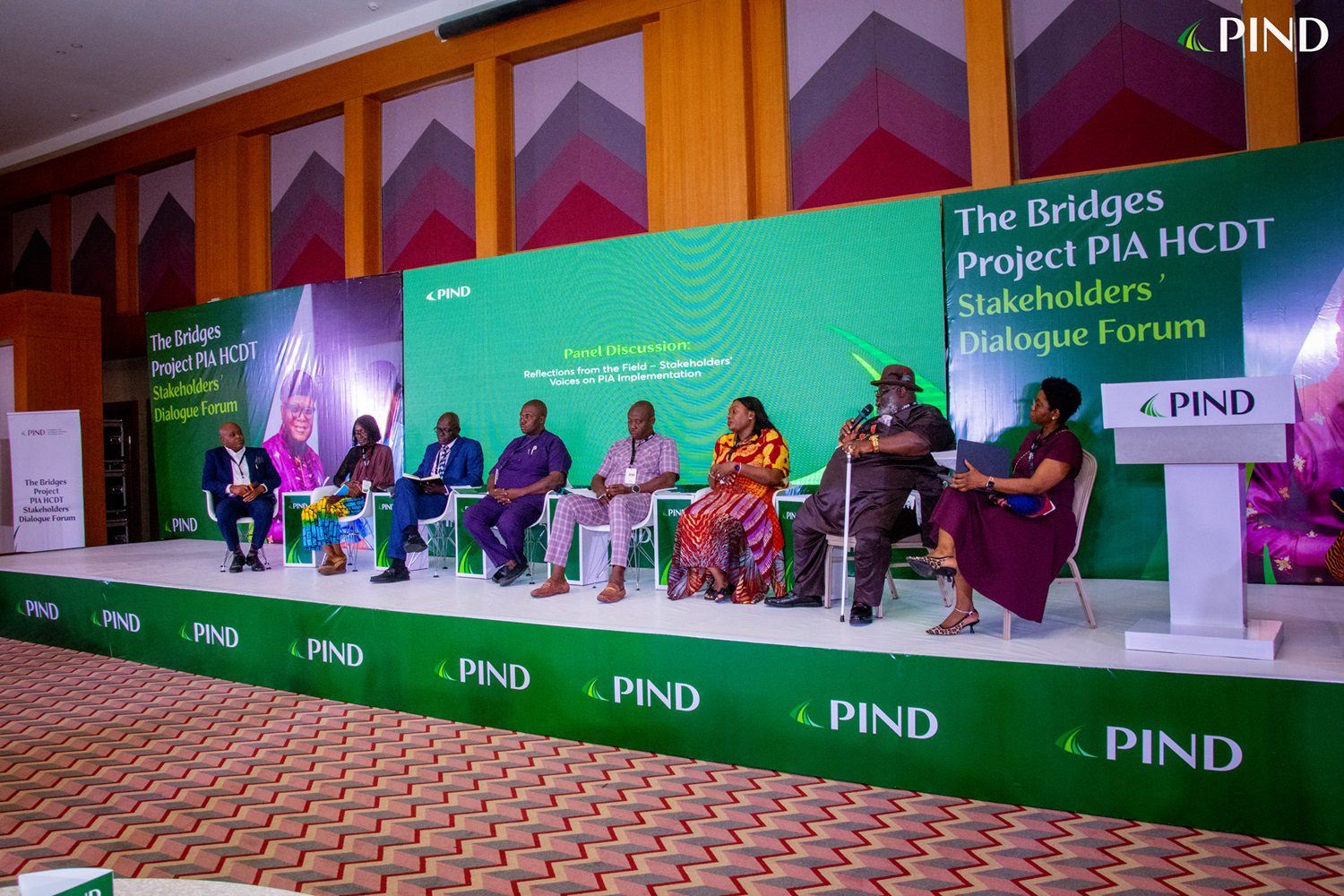
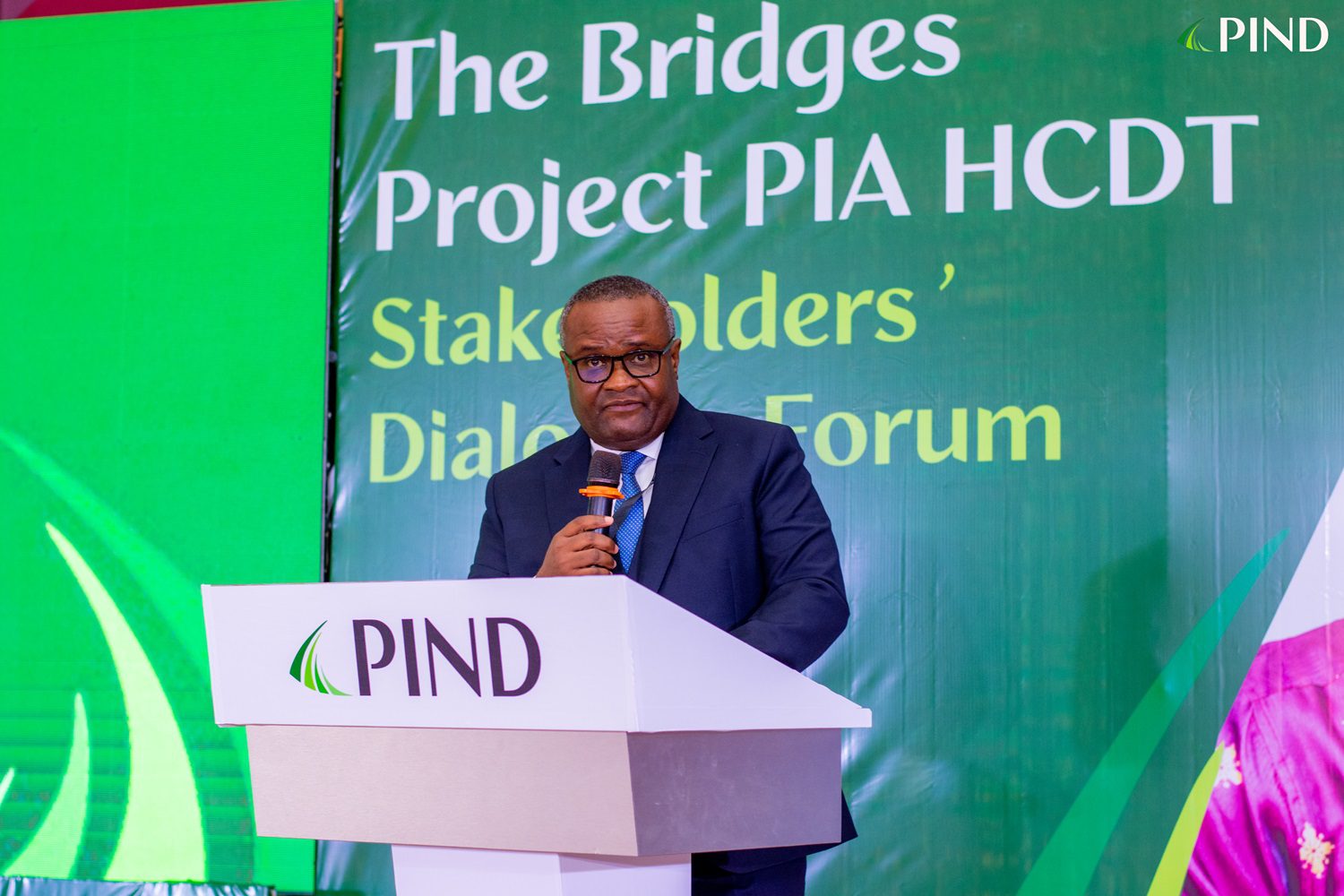
The forum also featured the presentation of the Bridges Project Status Report, which documents key achievements, including increased awareness of PIA provisions, enhanced settlor–community engagement, and the emergence of new participatory governance models that improve the functionality of HCDTs.
Regulators Commend PIND and Ford Foundation for Strengthening Transparency
Delivering the keynote address on behalf of the Chief Executive of the NUPRC, Mrs. Omolade Awah, the Host Community Development Administration Manager, commended PIND and the Ford Foundation for fostering dialogue and evidence-based engagement that strengthen transparency and accountability in PIA implementation.
She noted that the HCDT framework is already creating a visible impact across the Niger Delta, from infrastructure and human capital development projects aimed at strengthening community trust and stability. Mrs. Awah reaffirmed the Commission’s commitment to ensuring that HCDTs remain a credible mechanism for sustainable development and shared prosperity in host communities.
Government Leaders Call for Deeper Accountability and Wider Adoption
Representing the Akwa Ibom State Government, Dr. Linus Nkan, Commissioner for Budget and Economic Planning, emphasized that the success of HCDT implementation relies on trust, shared accountability, and continuous learning. He advocated for broader adoption of HCDT- aligned principles within government structures across all the Niger Delta states.
This aligns with lessons from earlier phases of the Bridges Project, which demonstrated that strengthened institutional coordination improves the effectiveness of PIA implementation and enhances the credibility of community development planning.
Achievements of the Bridges Project
Throughout its implementation period, the Bridges Project has made significant contributions to enhancing the functionality of HCDTs and strengthening the enabling environment for host community development. Core achievements include:
● Establishment of the Multi-Stakeholder Platform (MSP): Facilitated structured dialogue and collective problem-solving between regulators, settlors, CSOs, and communities.
● Capacity Building for HCDTs and Support Actors: Supported trustees, settlors, and community stakeholders with training on governance, accountability, and community engagement.
● Inclusive Participation: Promoted the participation of women, youth, and persons with disabilities in HCDT processes, improving representation in community decision-making.
● Strengthened Civil Society Support Systems: Enhanced NGOs’ and CSOs’ ability to guide communities through PIA compliance, planning, and project oversight.
● Improved Awareness of PIA Provisions: Facilitated broad awareness sessions that improved understanding of HCDT structures among grassroots communities.
Looking Ahead: Sustaining the Gains Beyond the Bridges Project
As the Bridges Project comes to a close, PIND and the Ford Foundation reaffirm their commitment to sustaining the gains of the MSP, deepening support for HCDTs, and strengthening community ownership of development processes. PIND will continue to provide technical assistance, capacity-building support, and evidence generation to ensure that host communities leverage the full benefits of the PIA.
The close-out forum concluded with a collective call for continuous collaboration among regulators, governments, settlors, CSOs, and communities to safeguard the long-term sustainability and impact of the HCDT framework.